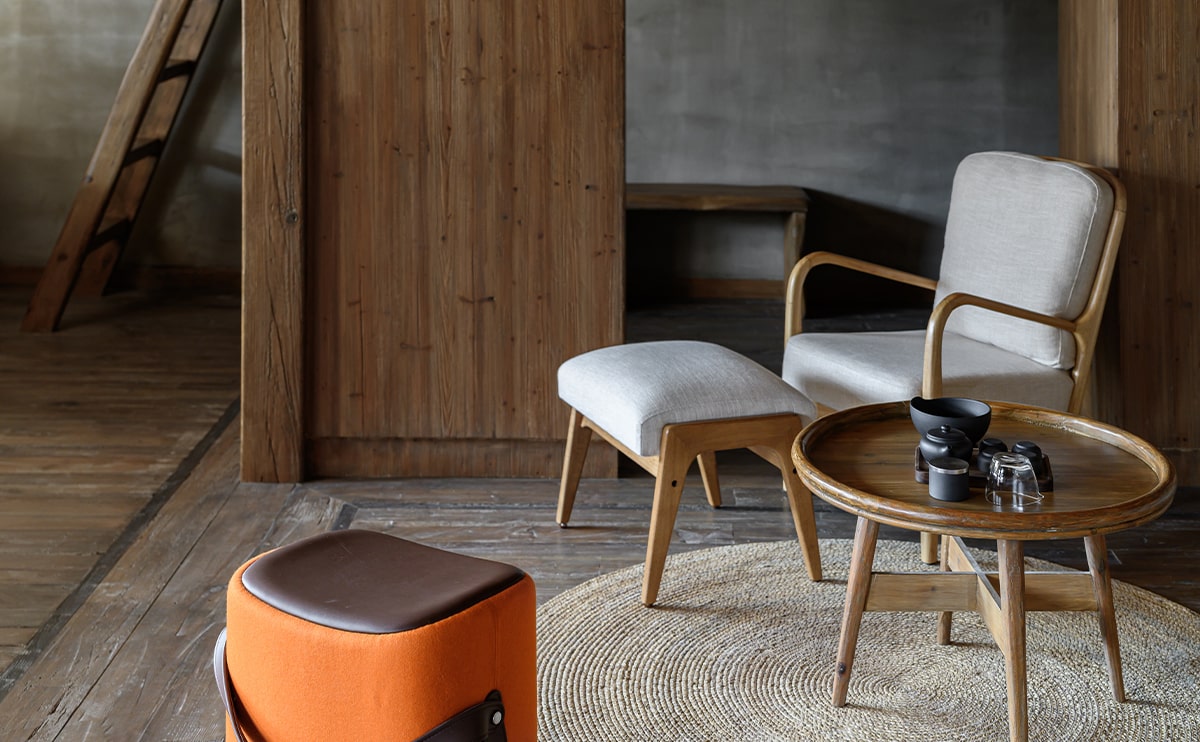
Wonderful_interiors_and_bonrush-uk_co_uk_for_lasting_home_transformations

- Wonderful interiors and bonrush-uk.co.uk for lasting home transformations
- The Art of Choosing the Right Furniture
- Understanding Different Wood Finishes
- Creating a Harmonious Color Palette
- The 60-30-10 Rule for Color Balance
- The Importance of Lighting Design
- Types of Lighting Fixtures and Their Uses
- Maximizing Space in Smaller Homes
- Sustainable and Eco-Friendly Interior Design
Wonderful interiors and bonrush-uk.co.uk for lasting home transformations
Creating a welcoming and stylish home is a significant undertaking, often involving countless decisions about décor, furniture, and overall aesthetic. Many individuals find themselves overwhelmed by the sheer breadth of options available, leading to prolonged projects and potential dissatisfaction. However, finding the right resources can streamline the process and unlock a world of possibilities for transforming living spaces. For those in the United Kingdom seeking quality home furnishings and inspiration, bonrush-uk.co.uk offers a curated selection and a commitment to lasting style. The key lies in understanding not just what looks good, but also how to create a functional and harmonious environment that truly reflects personal taste.
The pursuit of beautiful interiors isn’t solely about acquiring expensive items; it's about thoughtful curation and a keen eye for detail. It’s about understanding how light interacts with colors, how textures contribute to a sense of comfort, and how different elements work together to create a cohesive whole. This careful consideration extends beyond the purely visual, encompassing the importance of practicality and durability. A well-designed home is both beautiful and livable, a sanctuary that provides comfort, functionality, and a sense of well-being. Therefore, resources like comprehensive online catalogs and expert advice become invaluable assets in achieving this balance.
The Art of Choosing the Right Furniture
Selecting furniture is arguably the most impactful aspect of interior design. It's not simply about filling a room; it’s about choosing pieces that complement the architecture, enhance the space, and cater to lifestyle needs. Consider the scale of the room; oversized furniture can overwhelm a small space, while undersized pieces can feel lost in a larger room. Furthermore, think about the overall style and how each piece contributes to the desired aesthetic. Whether you're leaning towards a minimalist, modern, rustic, or traditional look, consistency is key. Prioritizing quality materials and construction ensures that your furniture will stand the test of time, providing years of enjoyment and value. Investing in timeless pieces often proves more cost-effective in the long run than repeatedly replacing cheaper, less durable alternatives.
Understanding Different Wood Finishes
The finish of wood furniture dramatically impacts its overall appearance and perceived value. Popular options include oak, walnut, mahogany, and pine, each possessing unique characteristics. Oak is renowned for its durability and versatility, lending itself well to both traditional and contemporary styles. Walnut offers a richer, darker tone, exuding sophistication and elegance. Mahogany is highly prized for its warm reddish-brown hue and its luxurious feel. Pine, a more affordable option, provides a rustic charm and can be easily painted or stained to match various décor schemes. When selecting a wood finish, consider the existing color palette of the room and the desired level of formality. A lighter finish can brighten a space, while a darker finish can create a more intimate and cozy atmosphere.
| Wood Type | Characteristics | Typical Styles |
|---|---|---|
| Oak | Durable, versatile, relatively affordable | Rustic, Traditional, Contemporary |
| Walnut | Rich, dark tone, sophisticated | Mid-Century Modern, Art Deco, Formal |
| Mahogany | Warm reddish-brown, luxurious | Traditional, Victorian, Colonial |
| Pine | Rustic charm, affordable, easy to finish | Farmhouse, Cottage, Coastal |
Beyond the type of wood, the finish itself (matte, satin, gloss) significantly influences the final look. Matte finishes offer a more understated and natural appearance, while gloss finishes create a polished and reflective surface. Choosing the right finish requires careful consideration of both aesthetic preferences and practical needs, such as resistance to scratches and stains.
Creating a Harmonious Color Palette
Color is a powerful tool that can dramatically alter the mood and atmosphere of a room. A well-chosen color palette can create a sense of calm and serenity, energize and inspire, or add a touch of drama and sophistication. Start by considering the existing architectural features of the space, such as flooring, walls, and trim. Neutral colors like beige, gray, and white provide a versatile base that can be easily complemented by bolder accent colors. Think about the psychological effects of different colors; blues and greens are often associated with tranquility, while reds and oranges evoke energy and excitement. Don’t be afraid to experiment with different combinations, but strive for balance and harmony. Using a color wheel can be a helpful tool in identifying complementary and analogous color schemes.
The 60-30-10 Rule for Color Balance
A helpful guideline for creating a balanced color palette is the 60-30-10 rule. This principle suggests allocating 60% of the room’s color scheme to a dominant color, typically a neutral shade. The remaining 30% should be devoted to a secondary color, which can be a contrasting or complementary hue. Finally, the last 10% should be reserved for an accent color, used sparingly to add pops of interest and personality. For example, a living room might feature 60% beige walls, 30% gray furniture, and 10% teal accents in pillows and artwork. This approach ensures that the overall scheme is cohesive and visually appealing, preventing any single color from overwhelming the space. Remember that these percentages are merely guidelines, and can be adjusted based on individual preferences and the specific characteristics of the room.
- Consider the natural light in the room when choosing colors.
- Test paint samples on the walls before committing to a color.
- Use color to create a focal point in the room.
- Don’t be afraid to experiment with different textures and patterns.
- Pay attention to the undertones of colors.
Effective color schemes don't necessarily require expensive paint or decorative items. Thoughtful use of existing elements, combined with strategic accents, can introduce a cohesive and appealing aesthetic. Resources like color palette generators and online design tools can provide inspiration and guidance.
The Importance of Lighting Design
Lighting is often overlooked, yet it plays a crucial role in shaping the ambiance and functionality of a home. Effective lighting design involves layering different types of light sources to create a balanced and inviting atmosphere. Ambient lighting provides overall illumination, while task lighting focuses on specific areas for activities like reading or cooking. Accent lighting highlights architectural features or artwork, adding depth and visual interest. Consider the color temperature of the light bulbs; warm white bulbs create a cozy and relaxing atmosphere, while cool white bulbs provide a brighter, more energetic feel. Natural light is also an essential element to incorporate into your lighting scheme. Maximize natural light by using sheer curtains and strategic placement of mirrors.
Types of Lighting Fixtures and Their Uses
A variety of lighting fixtures are available, each serving a specific purpose. Chandeliers and pendant lights are ideal for creating a statement in dining rooms or entryways. Recessed lighting provides subtle, even illumination and is well-suited for kitchens and bathrooms. Table lamps and floor lamps offer localized lighting and can be used to create cozy reading nooks. Wall sconces add a touch of elegance and can be used to highlight artwork or architectural features. When choosing lighting fixtures, consider their style, size, and compatibility with the overall décor. Dimmers are also a valuable addition, allowing you to adjust the intensity of the light to suit different moods and activities providing a variety of options.
- Plan your lighting scheme before starting any renovation projects.
- Consider the functionality of each room when choosing lighting fixtures.
- Use a combination of different types of lighting.
- Don’t forget about natural light.
- Experiment with different color temperatures.
Thoughtful lighting choices can transform a space from ordinary to extraordinary. Investing in quality lighting fixtures and implementing a well-planned lighting scheme are essential components of any successful interior design project. Exploring options from retailers like bonrush-uk.co.uk can provide access to a diverse range of styles and solutions.
Maximizing Space in Smaller Homes
Living in a smaller home often requires creative solutions to maximize space and functionality. One effective strategy is to embrace minimalism, decluttering regularly and focusing on essential items. Multi-functional furniture, such as sofa beds and storage ottomans, can serve double duty, saving valuable square footage. Vertical storage solutions, such as bookshelves and wall-mounted cabinets, utilize unused wall space and create additional storage capacity. Mirrors can create the illusion of a larger space by reflecting light and expanding the visual field. Light colors and minimal patterns can also make a small room feel more open and airy. Careful planning and thoughtful organization are key to creating a comfortable and functional living space in a smaller home.
It's equally important to ensure that the space feels inviting and not cramped. Choosing appropriately scaled furniture is crucial; avoid oversized pieces that will overwhelm the room. Utilizing clever storage solutions, like under-bed containers or wall-mounted shelves, helps keep clutter at bay, contributing to a more open and organized feel. Remember that less is often more when it comes to decorating a smaller home. Opting for a few carefully selected pieces rather than a multitude of small accessories can create a more sophisticated and spacious aesthetic.
Sustainable and Eco-Friendly Interior Design
Increasingly, homeowners are prioritizing sustainable and eco-friendly practices in their interior design choices. This involves selecting materials that are environmentally responsible, such as reclaimed wood, bamboo, and organic cotton. Choosing energy-efficient appliances and lighting fixtures can reduce energy consumption and lower utility bills. Supporting local artisans and businesses reduces transportation costs and promotes sustainable economic growth. Repurposing and upcycling existing furniture and décor items minimizes waste and adds a unique character to the home. Creating a healthy indoor environment by using low-VOC paints and natural cleaning products is also an important consideration. Embracing sustainable design principles is not only beneficial for the environment but also enhances the overall well-being of the occupants. Resources that promote eco-friendly options are abundant, allowing consumers to make informed choices.
Going beyond simply purchasing “green” products, homeowners can adopt a holistic approach to sustainable design. This includes considering the entire lifecycle of a product, from its origin and manufacturing process to its eventual disposal. Choosing durable, long-lasting items reduces the need for frequent replacements, minimizing waste. Implementing water-saving fixtures and practices, such as low-flow toilets and showerheads, helps conserve valuable resources. Furthermore, embracing a minimalist lifestyle and reducing overall consumption are key components of a truly sustainable home that looks and feels inviting.