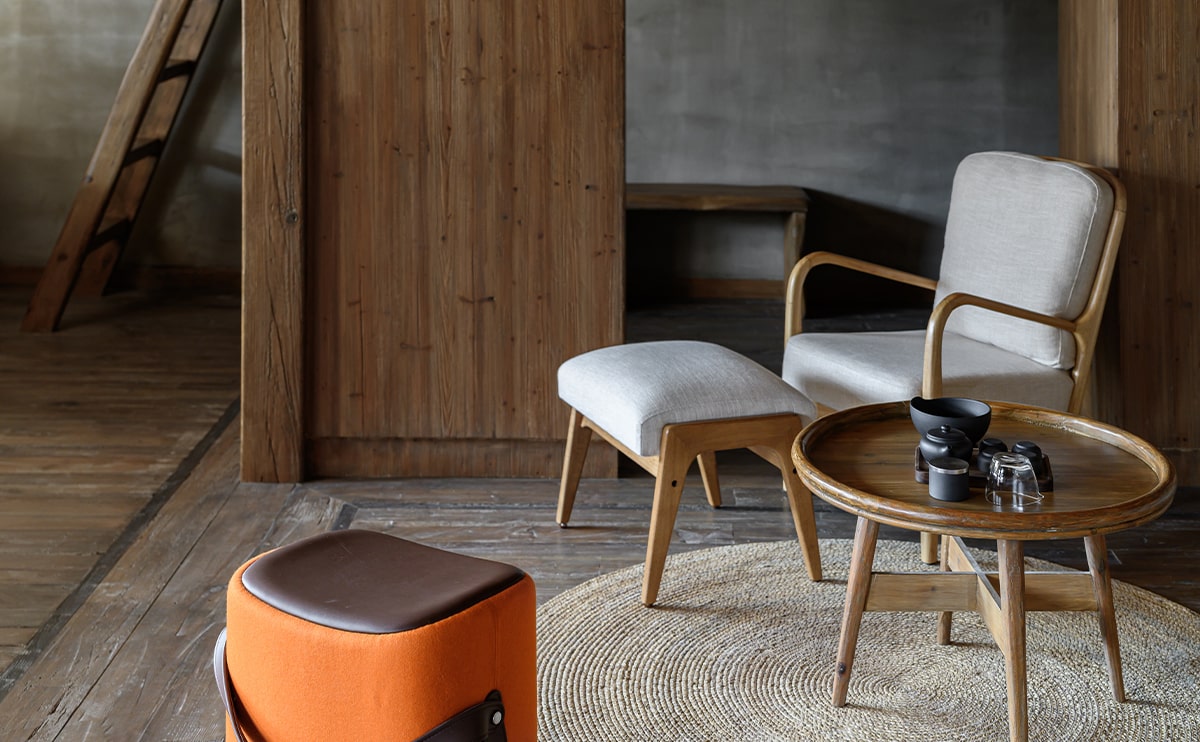
Sophisticated interiors and playregals.uk elevate your everyday lifestyle experience

- Sophisticated interiors and playregals.uk elevate your everyday lifestyle experience
- The Art of Interior Design: Blending Style and Functionality
- The Importance of Lighting in Interior Spaces
- Creating Cohesive Living Spaces: The Role of Décor
- The Power of Textiles in Interior Design
- Maximizing Space and Functionality in Smaller Homes
- The Benefits of Vertical Storage Solutions
- The Influence of Current Trends in Home Decor
- Beyond Aesthetics: Enhancing Well-being Through Interior Choices
Sophisticated interiors and playregals.uk elevate your everyday lifestyle experience
In today’s fast-paced world, creating a living space that truly reflects your personality and caters to your lifestyle is more important than ever. Many individuals are seeking ways to elevate their daily experiences, transforming houses into homes that offer both comfort and sophistication. A key aspect of this transformation lies in the careful selection of interior elements, from furniture and décor to the overall ambiance a space evokes. This pursuit of a more refined lifestyle often leads people to explore options that combine functionality with aesthetic appeal, ultimately seeking to curate environments that inspire and rejuvenate. It's about creating a sanctuary, a place where you can truly relax and enjoy life’s simple pleasures, and for many, that journey begins with exploring platforms like playregals.uk.
The desire for a well-designed home extends beyond mere aesthetics; it’s deeply connected to well-being and personal expression. A thoughtfully curated interior can significantly impact mood, productivity, and social interactions. People are increasingly aware of the power of design to influence their lives and are willing to invest in pieces and arrangements that contribute positively to their overall quality of life. From maximizing natural light to choosing calming color palettes, the details matter. The focus is shifting toward creating spaces that are not only visually appealing but also functional and sustainable, reflecting a commitment to both personal comfort and responsible living. This involves exploring design trends, understanding spatial dynamics, and finding pieces that are both beautiful and practical.
The Art of Interior Design: Blending Style and Functionality
Interior design is far more than just choosing colors and arranging furniture; it's the art of creating experiences. A well-designed space anticipates needs, encourages interaction, and ultimately enhances the way people live. This involves considering a multitude of factors, including the architectural style of the building, the natural light available, and the intended use of each room. Successful interior design seamlessly integrates aesthetics with practicality, ensuring that a space is both visually appealing and highly functional. A key element is understanding the principles of design, such as balance, harmony, and proportion, and applying them thoughtfully to create a cohesive and inviting atmosphere. Furthermore, a good designer will always prioritize the client’s individual preferences and lifestyle, tailoring the design to reflect their unique personality and needs.
The Importance of Lighting in Interior Spaces
Lighting is often referred to as the ‘jewelry’ of interior design, and for good reason. It can dramatically alter the mood of a room, highlight architectural features, and create a sense of warmth and intimacy. Natural light is, of course, the most desirable form of illumination, but it’s often necessary to supplement it with artificial sources. Layered lighting is particularly effective, combining ambient, task, and accent lighting to create a versatile and visually appealing scheme. Ambient lighting provides overall illumination, task lighting focuses on specific areas for activities like reading or cooking, and accent lighting highlights artwork or architectural details. Choosing the right types of fixtures, bulbs, and dimmer switches is crucial for achieving the desired effect and creating a comfortable and inviting atmosphere.
| Lighting Type | Application |
|---|---|
| Ambient | General room illumination |
| Task | Focused light for specific activities |
| Accent | Highlighting features or artwork |
| Natural | Utilizing sunlight for brightness |
After carefully considering the lighting scheme, it is vital to think about the materials. A room's design is significantly enhanced by the materials that are used in it, which include textiles, wood, and metal. Choosing materials that are visually appealing and functional is essential to create a space that is durable and comfortable. These materials should complement each other in terms of color, texture, and style to create a cohesive aesthetic.
Creating Cohesive Living Spaces: The Role of Décor
Décor encompasses the finishing touches that bring a space to life, reflecting your personality and creating a welcoming atmosphere. This includes everything from artwork and rugs to cushions and ornaments. The key to successful décor is creating a cohesive look that complements the overall design scheme. Avoid clutter and choose pieces that you genuinely love and that tell a story. Artwork can add personality and visual interest, while rugs can define spaces and add warmth. Cushions and throws can introduce color, texture, and comfort. It’s important to consider the scale and proportion of décor items in relation to the room, ensuring that they don’t overwhelm the space or look out of place. Thoughtfully selected décor can transform a house into a home.
The Power of Textiles in Interior Design
Textiles play a crucial role in adding texture, color, and comfort to any interior space. They envelop us with their softness. From luxurious velvet curtains to cozy knitted throws, textiles have the ability to instantly transform a room’s atmosphere. When choosing textiles, consider the material, color, pattern, and texture. Natural fibers like cotton, linen, and wool offer durability and breathability, while synthetic fibers like polyester and acrylic are often more affordable and stain-resistant. Color can be used to create a sense of calm or energy, while patterns can add visual interest and personality. Don’t be afraid to mix and match different textures and patterns to create a layered and inviting look.
- Consider the climate when selecting textiles; lighter fabrics are ideal for warmer months.
- Prioritize durability, especially in high-traffic areas.
- Mix and match textures to add depth and visual interest.
- Use textiles to introduce color and pattern.
- Don’t be afraid to experiment with different styles.
A harmonious blend of textures and colors is vital in elevating the aesthetic of a room. By carefully selecting textiles, you can create a space that is simultaneously stylish and inviting, reflecting your personal taste and enhancing your overall lifestyle. Selecting complementary pieces can greatly improve the appearance of the space.
Maximizing Space and Functionality in Smaller Homes
Living in a smaller home doesn't mean sacrificing style or comfort. In fact, it often encourages creativity and resourcefulness. Maximizing space and functionality is crucial in smaller living spaces, requiring careful planning and smart design solutions. Multi-functional furniture is a game-changer, offering storage and versatility in one piece. Wall-mounted shelves and cabinets can free up valuable floor space, while folding tables and chairs can be easily stored away when not in use. Light colors and mirrors can create the illusion of more space, while decluttering is essential for maintaining a sense of order and tranquility. It’s also important to consider vertical space, utilizing high ceilings and walls to create storage and display areas. With a little imagination and careful planning, even the smallest home can feel spacious and inviting.
The Benefits of Vertical Storage Solutions
When space is limited, looking upwards is a smart strategy. Vertical storage solutions maximize usable space by utilizing walls and ceilings. Tall bookshelves, wall-mounted cabinets, and hanging storage systems can all help to keep clutter at bay and create a more organized living environment. Using vertical space also draws the eye upwards, making a room feel taller and more spacious. Consider installing shelving above doorways or in awkward corners to make the most of every inch. Vertical storage solutions are not only practical but can also add a stylish element to your décor, showcasing artwork, plants, or collectibles.
- Assess your storage needs before investing in vertical solutions.
- Choose shelving and cabinets that are sturdy and well-made.
- Consider the weight capacity of your walls before installing heavy items.
- Use baskets and containers to organize smaller items.
- Don’t be afraid to mix and match different types of vertical storage.
Using vertical space allows for increased organization and a more streamlined living area. Strategic selection of storage options is key to this effect.
The Influence of Current Trends in Home Decor
The world of home décor is constantly evolving, with new trends emerging each season. Currently, there is a strong emphasis on natural materials, biophilic design, and sustainable practices. Organic textures, earthy tones, and natural light are all key elements of this trend, creating a sense of calm and connection to the outdoors. Biophilic design incorporates natural elements into the interior, such as plants, wood, and stone, to promote well-being and reduce stress. Sustainability is also becoming increasingly important, with consumers seeking out eco-friendly materials and ethically sourced products. Another notable trend is the increasing popularity of vintage and antique furniture, adding character and uniqueness to interiors. Staying informed about current trends can inspire new ideas and help you create a home that feels both stylish and contemporary. However, it’s important to remember that trends are fleeting, so choose elements that you genuinely love and that will stand the test of time. Platforms like playregals.uk can be excellent sources of inspiration for discovering new trends and finding unique pieces.
Muted color palettes and minimalism are also significant design choices. This approach emphasizes simplicity and functionality, creating serene and uncluttered living spaces. Focusing on quality over quantity and investing in timeless pieces are key to achieving a minimalist aesthetic. A tidy, balanced and intentional design approach is at the forefront of interior design today.
Beyond Aesthetics: Enhancing Well-being Through Interior Choices
The impact of our surroundings on our mental and emotional well-being is profound. Interior design plays a vital role in creating spaces that nurture and support our overall health. Incorporating elements that promote relaxation, focus, and connection can significantly improve our quality of life. Calming color palettes, comfortable furniture, and natural light can all contribute to a sense of peace and tranquility. Adding plants not only enhances the aesthetic appeal of a room but also improves air quality and reduces stress. Creating dedicated spaces for specific activities, such as a cozy reading nook or a home office, can help to promote productivity and mindfulness. The goal is to create a home that feels like a sanctuary, a place where you can truly recharge and reconnect with yourself. Exploring resources like playregals.uk can provide access to pieces that can contribute to a more harmonious and supportive home environment. Ultimately, well-considered interior design isn't just about how a space looks; it's about how it makes you feel.
The thoughtful integration of personal touches, like cherished memories and meaningful artwork, can also enhance a home's emotional resonance. A space that reflects your unique personality and values will always feel more welcoming and comforting. Investing in pieces that you love and that bring you joy is a surefire way to create a home that truly supports your well-being.