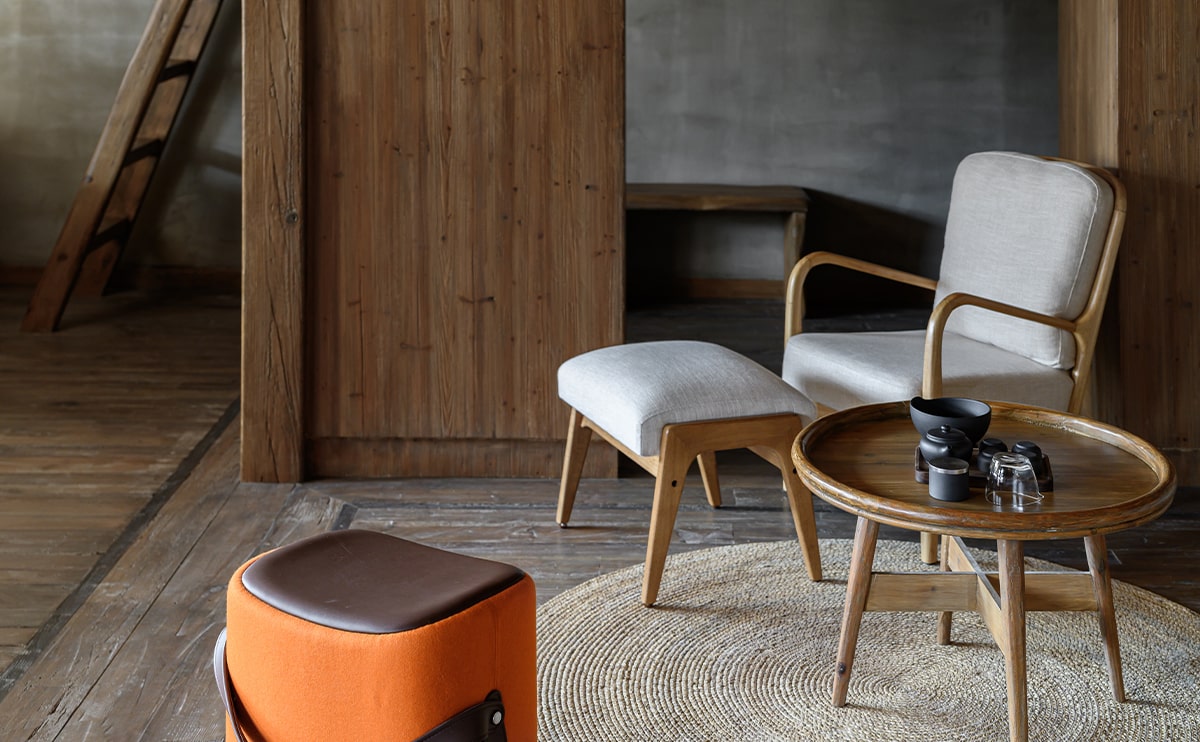
Genuine_textures_reflecting_style_around_https_thebonrushs-uk_uk_elevate_modern

- Genuine textures reflecting style around https://thebonrushs-uk.uk elevate modern living spaces
- The Significance of Texture in Interior Design
- Layering Textures for Impact
- The Appeal of Genuine Materials
- Sourcing Sustainable Materials
- Reflecting Style Through Curated Décor
- Developing Your Personal Aesthetic
- The Role of Lighting in Enhancing Texture
- The Enduring Appeal of Timeless Style
Genuine textures reflecting style around https://thebonrushs-uk.uk elevate modern living spaces
The pursuit of a comfortable and aesthetically pleasing living space is a universal desire. More than just shelter, our homes reflect our personalities, values, and aspirations. Increasingly, individuals are seeking ways to infuse their surroundings with genuine character, moving away from mass-produced uniformity towards textures and designs that resonate with authenticity. This trend is beautifully embodied by the offerings found at https://thebonrushs-uk.uk, a source for distinctive home furnishings and décor that emphasize quality craftsmanship and timeless style. It’s about creating a sanctuary that feels uniquely ‘you’.
The modern home isn’t just about functionality; it’s about creating an experience. It’s about the feeling you get when you walk through the door, the warmth of a well-chosen material, and the visual harmony of thoughtfully curated pieces. Contemporary interior design prioritizes not only appearance but also the story behind each object, its provenance, and the skill involved in its creation. The goal is to build a layered and inviting atmosphere, a space that nurtures wellbeing and inspires creativity. This is where the allure of textured and genuinely styled interiors truly shines, and where retailers like the one mentioned above play a critical role.
The Significance of Texture in Interior Design
Texture is arguably one of the most underrated elements of interior design, yet it holds immense power to transform a space. It adds depth, dimension, and visual interest, preventing rooms from feeling flat or sterile. From the coarse weave of a linen curtain to the smooth coolness of marble, textures engage our sense of touch even before we physically interact with them, subtly influencing our mood and perception of a room. Combining varying textures – rough with smooth, soft with hard – creates a dynamic interplay that is visually stimulating and inviting. A room dominated by one texture can often feel monotonous, lacking personality. The clever use of texture elevates a design from simply being ‘nice’ to being truly captivating and memorable.
Layering Textures for Impact
The art of layering textures lies in creating a harmonious balance. Begin by establishing a foundation with a neutral base – think walls in a soft, muted tone and flooring in a natural material like wood or stone. Then, progressively introduce layers of texture through furnishings, textiles, and accessories. For example, a plush velvet sofa can be complemented by knitted throws, woven cushions, and a textured rug. Consider incorporating natural materials like rattan, jute, and wool, as these inherently possess rich textures that add warmth and organic appeal. Don’t be afraid to experiment with contrasting textures; the juxtaposition of a sleek metal coffee table against a shaggy rug can create a striking visual effect. The key is to ensure that the textures complement each other in terms of color and style, creating a cohesive and balanced look.
| Texture Type | Materials | Effect | Best Used For |
|---|---|---|---|
| Rough | Stone, brick, concrete, burlap | Adds a sense of grounding and rustic charm | Feature walls, outdoor spaces, industrial-style interiors |
| Smooth | Glass, metal, polished wood, silk | Creates a sense of sophistication and elegance | Formal living rooms, modern kitchens, bathrooms |
| Soft | Velvet, wool, linen, cotton | Offers comfort, warmth, and a cozy atmosphere | Bedrooms, living rooms, reading nooks |
| Patterned | Wallpaper, woven fabrics, textured tiles | Adds visual interest and personality | Accent walls, upholstery, decorative accessories |
Understanding how different textures interact is crucial. A room meticulously curated with a variety of tactile experiences feels more inviting, personal, and genuinely lived-in. It’s a subtle but potent design element.
The Appeal of Genuine Materials
In a world saturated with synthetic materials, there’s a growing appreciation for the authenticity of genuine materials. Natural materials possess an inherent beauty and character that cannot be replicated. Wood, with its unique grain patterns and warm tones, brings a sense of organic connection to the home. Leather, known for its durability and rich texture, adds a touch of luxury and sophistication. Stone, with its timeless elegance and natural variations, evokes a sense of grounding and permanence. Choosing genuine materials is an investment in quality and sustainability, as these materials are often more durable and environmentally friendly than their synthetic counterparts. Furthermore, they age gracefully, developing a patina that tells a story over time.
Sourcing Sustainable Materials
The demand for genuine materials is driving a corresponding need for sustainable sourcing practices. Consumers are increasingly aware of the environmental impact of their choices and are actively seeking materials that are responsibly harvested and produced. Look for wood certified by organizations like the Forest Stewardship Council (FSC), which ensures that it comes from sustainably managed forests. Opt for natural fibers like organic cotton, linen, and hemp, which require less water and pesticides to grow than conventional cotton. When choosing leather, look for vegetable-tanned leather, which uses natural tannins instead of harsh chemicals. Supporting businesses that prioritize sustainability ensures that your home décor choices align with your values and contribute to a healthier planet. Considering the entire lifecycle of a material – from its origin to its disposal – is essential for making informed and responsible decisions.
- Look for FSC-certified wood.
- Choose organic or naturally sourced fibers like linen.
- Consider vegetable-tanned leather alternatives.
- Prioritize durability to reduce the need for frequent replacements.
- Investigate the manufacturing processes of potential purchases.
The commitment to genuine and sustainable materials showcases a deliberate choice, aligning personal style with ethical responsibility.
Reflecting Style Through Curated Décor
Creating a home that truly reflects your style requires more than just following trends; it demands a curated approach to décor. This means carefully selecting pieces that resonate with your personality, interests, and values. Rather than filling your space with generic items, invest in unique pieces that have a story to tell. Antiques, vintage finds, and handcrafted objects add character and individuality to a room. Don’t be afraid to mix and match different styles – a modern sofa can be paired with a vintage rug and antique side tables to create an eclectic and visually appealing look. The key is to maintain a cohesive color palette and ensure that the pieces complement each other. A well-curated space feels intentional, personal, and effortlessly stylish.
Developing Your Personal Aesthetic
Developing a personal aesthetic takes time and exploration. Start by identifying your favorite colors, patterns, and materials. Browse magazines, websites, and social media platforms like Pinterest and Instagram for inspiration. Pay attention to the spaces that you find particularly appealing and analyze what elements contribute to their appeal. Don’t be afraid to experiment with different styles until you find one that feels authentic to you. Consider your lifestyle and how you use your space when making décor choices. A family with young children will have different needs than a single professional. Ultimately, your home should be a reflection of who you are and what you love. Don't feel pressured to conform to trends; embrace your individuality and create a space that feels truly your own.
- Identify your color preferences.
- Gather inspiration from various sources.
- Analyze the elements you find appealing.
- Experiment with different styles.
- Consider your lifestyle and needs.
This thoughtful approach ensures a home uniquely tailored to your tastes.
The Role of Lighting in Enhancing Texture
Lighting plays a pivotal role in highlighting and enhancing the textures within a space. The correct lighting can accentuate the natural variations in materials like wood and stone, creating depth and dimension. Conversely, poorly chosen lighting can wash out textures, making a room feel flat and uninspired. Layering different types of lighting is key – ambient lighting provides overall illumination, task lighting focuses on specific areas for functionality, and accent lighting highlights features like artwork and textured walls. Using directional spotlights to showcase a textured wall or a sculptural object can create dramatic visual interest. Dimmer switches allow you to adjust the intensity of the light, creating different moods and emphasizing different textures at various times of the day. The interplay of light and shadow is crucial in revealing the subtleties of texture, adding depth and visual intrigue to a space.
The Enduring Appeal of Timeless Style
While trends come and go, timeless style remains constant. It’s a quality that transcends fleeting fads and endures through the years. Timeless style is characterized by simplicity, elegance, and a focus on quality materials and craftsmanship. It's about investing in pieces that will remain relevant and beautiful for generations to come. Rather than chasing the latest trends, focus on building a foundation of classic pieces that can be adapted and updated over time. A neutral color palette, classic furniture silhouettes, and high-quality textiles are hallmarks of timeless style. Adding personal touches, such as family heirlooms and meaningful artwork, adds character and individuality without sacrificing the overall sense of sophistication. Considering how a piece will age and whether it will continue to resonate with your personal style over time is essential when making decorating decisions.
True style isn’t about blindly following fads; it’s about cultivating a space that feels authentic, comfortable and reflective of your personal journey. The emphasis on quality, genuine materials, and thoughtful curation ultimately defines a living space that will endure the test of time, and stand as a personal testament to informed design choices. Resources like https://thebonrushs-uk.uk offer a starting point for sourcing pieces that embody these core principles.