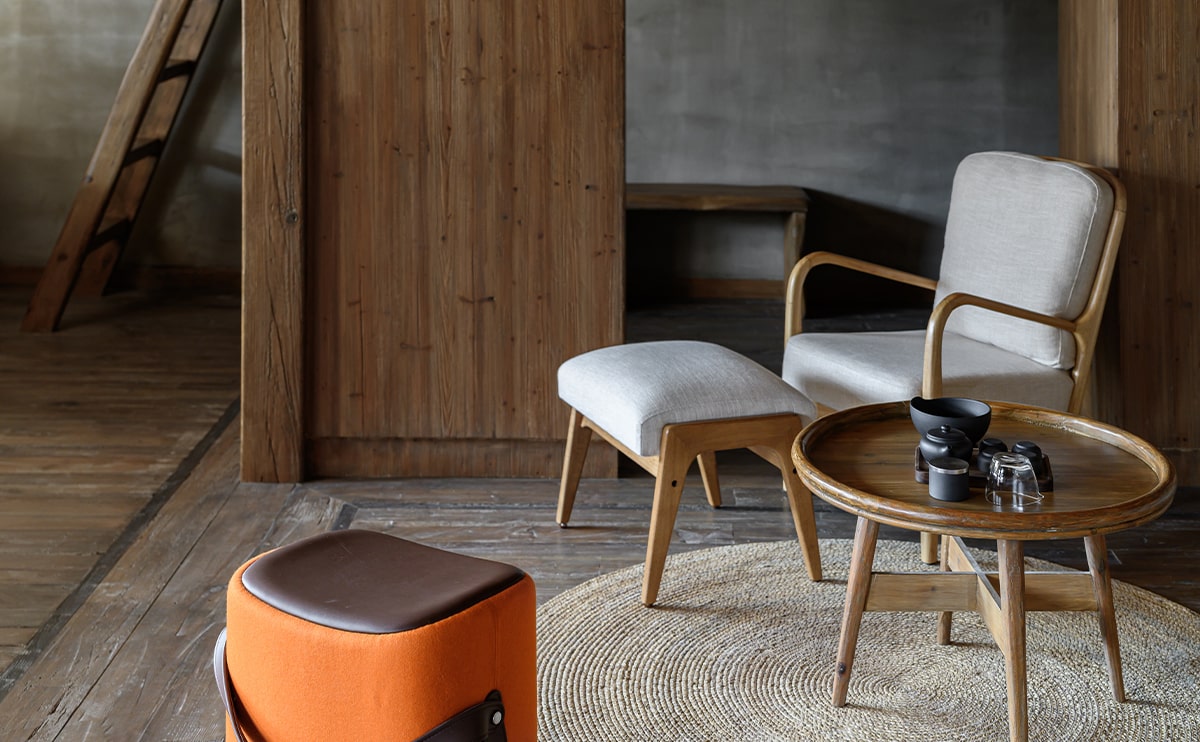
Genuine craftsmanship embodied in spingranny offers timeless decorative appeal

- Genuine craftsmanship embodied in spingranny offers timeless decorative appeal
- The Historical Context of Spingranny Aesthetics
- Influences on the Style
- Identifying Spingranny Characteristics
- Common Materials and Techniques
- Caring for and Preserving Spingranny Items
- Restoration vs. Preservation
- The Growing Market for Spingranny Collectibles
- Integrating Spingranny Styles into Modern Interiors
Genuine craftsmanship embodied in spingranny offers timeless decorative appeal
The world of decorative arts is rich with unique expressions of skill and artistry, and amongst these, the term “spingranny” signifies a particular kind of charm. It represents more than just an object; it embodies a connection to the past, a celebration of traditional techniques, and a commitment to enduring quality. Understanding the essence of this aesthetic requires appreciating the nuances of craftsmanship and the unique appeal it offers to those seeking pieces with character and history. These items aren’t merely purchased; they are welcomed into homes as cherished additions, imbued with stories and a timeless appeal.
The growing interest in vintage and handcrafted items reflects a broader cultural shift. Consumers are increasingly seeking authenticity and individuality, moving away from mass-produced goods towards pieces that possess a unique identity. This desire for tangible connection and a rejection of disposability has fostered a renewed appreciation for the artistry inherent in older production methods and the distinct qualities found in items created with care and precision. The rise of interest in unique, artisanal pieces like those categorized as "spingranny" is a testament to this burgeoning trend.
The Historical Context of Spingranny Aesthetics
Exploring the historical roots of the “spingranny” style provides a deeper understanding of its enduring appeal. Often, these pieces originate from a period where craftsmanship was paramount, and objects were made to last for generations. Examining the artistic movements and societal values prevalent during the time of their creation reveals how these factors influenced the design and construction of these decorative items. Many examples hark back to the late 19th and early 20th centuries, evident in the materials and techniques used. This period witnessed a flourishing of artistic expression, and items produced during this era frequently represent a high level of skill and attention to detail. The aesthetic often reflects the values of a simpler time, emphasizing functionality and beauty in equal measure.
Influences on the Style
The stylistic characteristics of pieces often labeled as “spingranny” are shaped by a confluence of influences, including Art Nouveau, Arts and Crafts, and various regional folk traditions. Art Nouveau, with its flowing lines and organic motifs, contributed to the graceful forms often seen in this style. The Arts and Crafts movement, prioritizing handmade quality and natural materials, instilled a sense of authenticity and durability. Furthermore, localized folk art traditions added unique decorative elements, reflecting the cultural identity of specific regions. Understanding these influences allows for a more nuanced appreciation of the aesthetic's diverse and rich heritage. These styles combined to create items imbued with a handmade, delicate feel.
| Characteristic | Typical Materials |
|---|---|
| Floral Motifs | Porcelain, painted wood, pressed glass |
| Organic Shapes | Wrought iron, carved wood, woven textiles |
| Intricate Detailing | Hand-painted decoration, delicate lacework, metal filigree |
| Earthy Color Palettes | Muted greens, browns, creams, and blues |
The table above illustrates typical details and prevalent materials that comprise the aesthetics. Recognizing these elements allows one to easily identify and appreciate the charm of these unique pieces.
Identifying Spingranny Characteristics
Recognizing the telltale signs of the “spingranny” aesthetic is key to appreciating its qualities. These pieces often feature delicate floral patterns, intricate detailing, and a characteristic use of natural materials. The overall impression is one of gentle elegance and understated charm. Look for items that exhibit a handcrafted quality, with subtle imperfections that add to their unique character. Often, these pieces possess a patina of age, bearing marks of wear that tell a story of their previous life. The distinction between authentically aged and skillfully replicated pieces can be subtle, requiring a discerning eye and knowledge of the materials and techniques used.
Common Materials and Techniques
Certain materials and techniques are particularly indicative of this aesthetic. Porcelain, often adorned with hand-painted floral designs, is a common element. Wrought iron, frequently used for decorative accents and furniture frames, adds a touch of rustic elegance. Wood, particularly carved or turned, is another prevalent material. Textiles, such as lace, embroidery, and woven fabrics, are often incorporated into the design, adding texture and visual interest. These components, combined with the artistry of the creator, result in items that possess a unique sense of warmth and character. The quality of these materials is typically high and the techniques employed, skillful.
- Delicate floral ornamentation.
- Use of natural and sustainable materials.
- Handcrafted detailing and subtle imperfections.
- Patina of age and character.
- An overarching sense of gentle elegance.
- Preference for muted, earthy color palettes.
The list above provides a quick reference guide to the features that define these items. Utilizing these indicators can assist in identifying pieces with these stylistic attributes.
Caring for and Preserving Spingranny Items
Preserving the beauty and integrity of these pieces requires careful attention to their unique needs. Due to their age and often delicate construction, these items are susceptible to damage from harsh cleaning agents, extreme temperatures, and improper handling. Gentle cleaning methods, utilizing mild detergents and soft cloths, are essential. Avoid abrasive cleaners or scrubbing, which can damage the delicate surfaces. Proper storage is also crucial, protecting items from direct sunlight, humidity, and temperature fluctuations. Regular inspection for signs of deterioration, such as cracks or loose joints, allows for timely repairs to prevent further damage. Preventative care is vital to maintaining the longevity of these treasured possessions.
Restoration vs. Preservation
Deciding whether to restore or simply preserve an item requires careful consideration. Restoration involves repairing damage and attempting to return the piece to its original condition. While this can enhance its aesthetic appeal, it also risks altering its historical character. Preservation, on the other hand, focuses on stabilizing the item and preventing further deterioration without attempting to undo the effects of age. The choice between these approaches depends on the item’s condition, its historical significance, and the owner’s personal preferences. Often, a conservative approach to preservation is preferred, recognizing that the patina of age is an integral part of the item’s charm and authenticity.
- Clean gently with mild detergents.
- Avoid abrasive cleaners and scrubbing.
- Store in a cool, dry place away from direct sunlight.
- Regularly inspect for signs of deterioration.
- Consider preservation over aggressive restoration.
- Seek professional advice for significant repairs.
Following these steps will help ensure the continued aesthetic and structural health of treasured pieces for years to come. Careful attention to detail will ensure they are both admired and enjoyed.
The Growing Market for Spingranny Collectibles
The market for items embodying this aesthetic is experiencing a period of significant growth, fueled by increasing consumer demand. Antique shops, online marketplaces, and auction houses are all reporting a rise in sales. Collectors are drawn to the unique charm, historical significance, and enduring quality of these pieces. The increasing awareness of sustainable living and a desire for authenticity are also contributing factors. While prices vary depending on the item’s condition, rarity, and provenance, certain pieces are commanding premium prices. This demand has also led to an increase in reproductions and imitations, highlighting the importance of careful authentication and informed purchasing.
Integrating Spingranny Styles into Modern Interiors
Successfully incorporating “spingranny” elements into a modern interior requires a thoughtful approach. The key is to strike a balance between honoring the pieces’ historical character and creating a cohesive and contemporary aesthetic. Rather than attempting to replicate a period room, consider using these items as focal points within a more modern setting. A vintage porcelain figurine, for example, can add a touch of elegance to a minimalist shelf. A wrought iron garden bench can provide a charming accent to a contemporary patio. The contrast between old and new can create a visually interesting and inviting space. The organic textures and muted color palettes often associated with the style lend themselves well to a variety of interior design schemes.
The art of collecting is a journey of discovery, and the pursuit of pieces emblematic of this aesthetic offers a unique opportunity to connect with the past and surround oneself with beauty and artistry. Understanding the historical context, identifying key characteristics, and practicing proper care are all essential components of this rewarding endeavor. As the demand for authentic and handcrafted items continues to grow, the appreciation for “spingranny” aesthetics is likely to endure, ensuring that these treasures will continue to be cherished for generations to come. The appreciation of such styles transcends mere decoration, reflecting a deeper longing for authenticity and lasting quality.