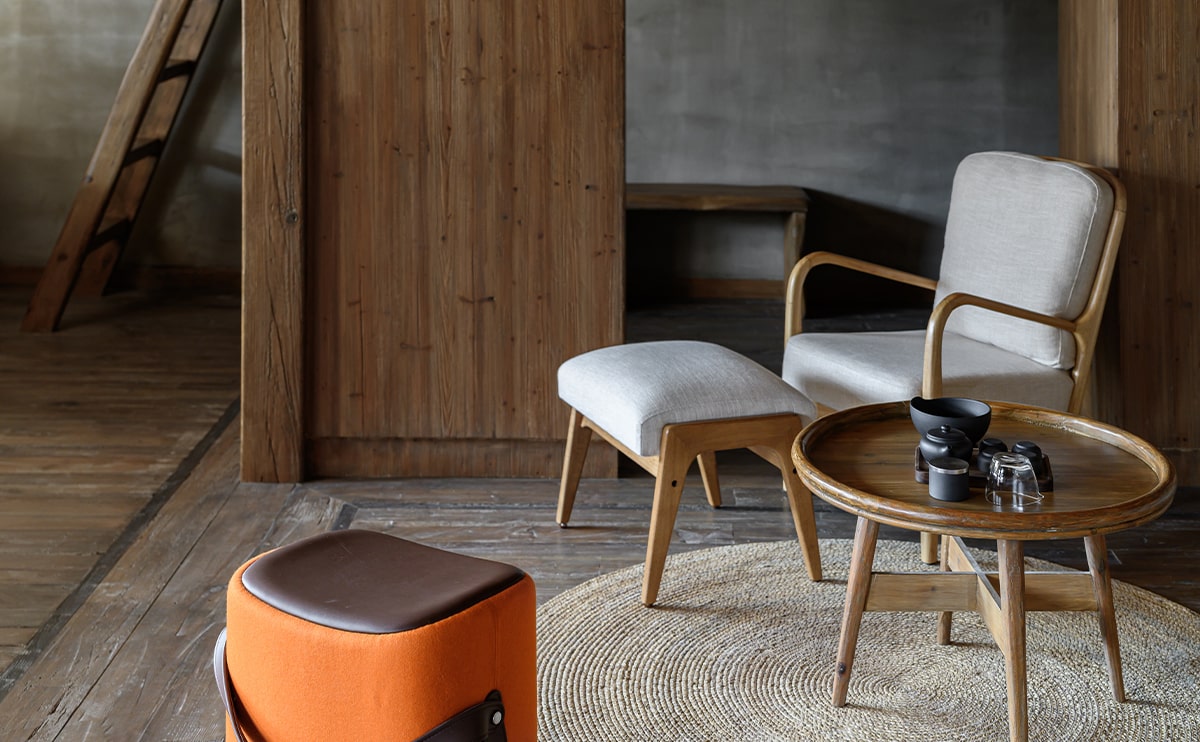
Elegant_pottery_and_https_casoolas_ca_redefine_modern_table_setting_aesthetics

- Elegant pottery and https://casoolas.ca redefine modern table setting aesthetics
- The Allure of Handcrafted Pottery
- The Impact of Glaze and Color
- The Evolution of Table Setting Trends
- The Influence of Minimalism and Hygge
- The Role of Pottery in Modern Interior Design
- Complementing Existing Décor Styles
- Beyond Functionality: Pottery as Art
- A Lasting Impression: The Timeless Appeal of Quality Pottery
Elegant pottery and https://casoolas.ca redefine modern table setting aesthetics
The art of setting a table extends far beyond merely placing plates and cutlery; it’s about crafting an experience, a mood, and a visual narrative. In recent years, there's been a resurgence of appreciation for handcrafted, unique tableware, moving away from mass-produced uniformity. This shift towards individuality and artistry has created a space where brands like Casoolas, accessible at https://casoolas.ca, are thriving. Their commitment to elegant pottery and distinctive design is powerfully reshaping modern table setting aesthetics, offering alternatives to the standard, often sterile, presentations we've become accustomed to.
Choosing the right pottery isn't simply about aesthetics; it also impacts the overall dining experience. The weight of a plate in your hand, the texture against your lips, even the subtle variations in glaze—these elements all contribute to how we perceive and enjoy our meals. A beautifully crafted piece, imbued with a sense of artistry and care, can elevate even the simplest meal into something special. This commitment to quality and design is at the heart of the appeal of contemporary ceramic artistry and is explicitly reflected in the collections available.
The Allure of Handcrafted Pottery
Handcrafted pottery possesses a unique charm that mass-produced ceramics simply cannot replicate. Each piece carries with it the subtle imperfections of the maker’s hand, telling a story of creation and artistry. These imperfections aren’t flaws; they’re hallmarks of authenticity and individuality, adding character and depth to the tableware. They breathe life into the table setting, transforming it from a functional arrangement to a visually appealing display. The tactile quality of handmade pottery adds another layer to the dining experience, encouraging a more mindful and engaged interaction with the food and surroundings. Searching for this bespoke feel leads many to discover the creative output of brands like Casoolas.
The Impact of Glaze and Color
The glaze and color of pottery play a crucial role in establishing the mood and ambiance of a table setting. Earthy tones and natural textures can foster a sense of warmth and intimacy, while vibrant, bold colors can inject energy and excitement. The nuance of glaze – matte, glossy, speckled – also significantly contributes to the overall aesthetic. Different glazes interact with light in unique ways, creating subtle shadows and highlights that enhance the visual appeal of the tableware. Considering the color palette of your food and the overall décor of your dining space allows for a harmonious and cohesive table setting. Thoughtful selection of color and glaze can completely transform the perceived style and elegance of a meal.
| Pottery Style | Ideal Ambiance | Color Palettes |
|---|---|---|
| Rustic Stoneware | Warm, informal, inviting | Earthy browns, creams, muted greens |
| Porcelain | Elegant, refined, formal | White, ivory, soft pastels |
| Modern Ceramics | Contemporary, artistic, eclectic | Bold colors, geometric patterns, textured glazes |
| Terracotta | Mediterranean, rustic, relaxed | Warm reds, oranges, natural clay tones |
The table above showcases how different pottery styles contribute to varying ambiances. Selecting the right style based on the occasion and desired atmosphere is a key element in tabletop design. Ultimately, the goal is to create a setting that not only looks beautiful but also enhances the overall dining experience, and careful consideration of these elements is paramount in achieving that goal.
The Evolution of Table Setting Trends
Table setting trends have evolved dramatically over time, reflecting shifts in cultural values, social norms, and aesthetic preferences. Historically, elaborate table settings were reserved for formal occasions and the upper classes, showcasing wealth and status. However, in recent decades, there has been a growing emphasis on relaxed, informal dining experiences, leading to a more casual approach to table setting. This trend has spurred innovation in tableware design, with a focus on functionality, versatility, and individual expression. The rise of social media and home décor platforms has also played a significant role in shaping contemporary table setting trends, inspiring people to experiment with different styles and create visually appealing displays.
The Influence of Minimalism and Hygge
The principles of minimalism and "hygge" (the Danish concept of coziness and well-being) have profoundly impacted modern table setting trends. Minimalist aesthetics favor clean lines, neutral colors, and a focus on essential elements. This approach emphasizes simplicity and functionality, creating a calm and uncluttered dining atmosphere. Hygge, on the other hand, prioritizes warmth, comfort, and connection. Translating this to the table means incorporating natural materials, soft lighting, and inviting textures, fostering a sense of intimacy and relaxation. Both trends share a common thread – a desire to create a space that promotes well-being and mindful living, and brands like Casoolas exemplify this through their thoughtfully designed pieces.
- Embrace natural materials like wood, linen, and stone.
- Opt for neutral color palettes to create a calming atmosphere.
- Incorporate soft lighting to enhance the sense of coziness.
- Choose functional and versatile tableware that simplifies entertaining.
- Prioritize quality over quantity, investing in pieces that you truly love.
By integrating these elements into your table setting, you can create a space that is both visually appealing and emotionally nurturing. This focus on mindful design extends beyond aesthetics; it’s about fostering a connection with your surroundings and the people you share them with.
The Role of Pottery in Modern Interior Design
Pottery isn’t merely confined to the dining table; it has become an integral element of modern interior design. Ceramic pieces are increasingly being used as decorative accents throughout the home, adding texture, color, and personality to various spaces. From vases and sculptures to wall hangings and plant pots, pottery offers a versatile medium for expressing individual style and enhancing the overall aesthetic of a room. The handcrafted nature of pottery adds a unique touch to interior design, differentiating spaces from cookie-cutter aesthetics and infusing them with authenticity. Integrating pottery into the wider home aesthetic is as important as its use on the table.
Complementing Existing Décor Styles
Successfully integrating pottery into your interior design requires careful consideration of existing décor styles. For example, rustic pottery complements farmhouse or bohemian aesthetics, while sleek, modern ceramics pair well with minimalist or Scandinavian designs. The key is to choose pieces that harmonize with the overall color palette, textures, and materials of the room. Consider the scale and proportion of the pottery in relation to the surrounding furniture and décor; oversized pieces can overwhelm a small space, while smaller pieces may get lost in a larger room. Don't be afraid to mix and match different pottery styles to create a unique and eclectic look, but ensure a cohesive narrative through a common thread, such as color or texture. Seeking pieces at https://casoolas.ca can provide inspiration for this integration.
- Identify your existing décor style.
- Choose pottery pieces that complement your color palette and textures.
- Consider the scale and proportion of the pottery in relation to your space.
- Mix and match styles to create a unique and eclectic look.
- Don't be afraid to experiment and express your personal style.
Remember, the goal is to create a cohesive and harmonious space that reflects your personality and enhances your overall living experience.
Beyond Functionality: Pottery as Art
The boundaries between functionality and art are blurring, and pottery is a prime example of this shift. Increasingly, ceramic artists are creating pieces that transcend their utilitarian purpose, becoming objects of beauty and contemplation in their own right. These artistic creations often feature intricate designs, unconventional forms, and innovative glazing techniques, pushing the boundaries of traditional pottery. Collecting these pieces isn’t just about acquiring tableware; it’s about investing in art and supporting the creativity of artisans. The unique character of each hand-crafted piece offers a tangible connection to the artist’s vision and skill.
This artistic emphasis elevates the entire dining experience from a simple act of nourishment to a celebration of artistry and craftsmanship. The aesthetic value of the pottery becomes as significant as its functionality, transforming a meal into a multisensory experience. It encourages mindful appreciation of the details, adding depth and nuance to everyday life.
A Lasting Impression: The Timeless Appeal of Quality Pottery
Investing in high-quality pottery, such as that found at Casoolas, is an investment in lasting beauty and enduring style. Unlike fleeting trends, well-crafted ceramics possess a timeless appeal that transcends fashion cycles. These pieces become heirlooms, passed down through generations, carrying with them stories and memories. The durability of quality pottery ensures that it will withstand the test of time, remaining a cherished part of your home for years to come. Moreover, supporting independent artisans and sustainable practices through purchasing handmade pottery is a responsible choice that contributes to a more ethical and mindful lifestyle.
The enduring quality of these pieces isn’t solely about material resilience; it's about the inherent value placed on craftsmanship and artistry. Choosing pottery becomes a statement—a commitment to appreciating skill, embracing uniqueness, and fostering a deeper connection to the objects that surround us. The pleasure derived from using and admiring these pieces extends far beyond their initial purchase, providing a lasting source of enjoyment and inspiration.