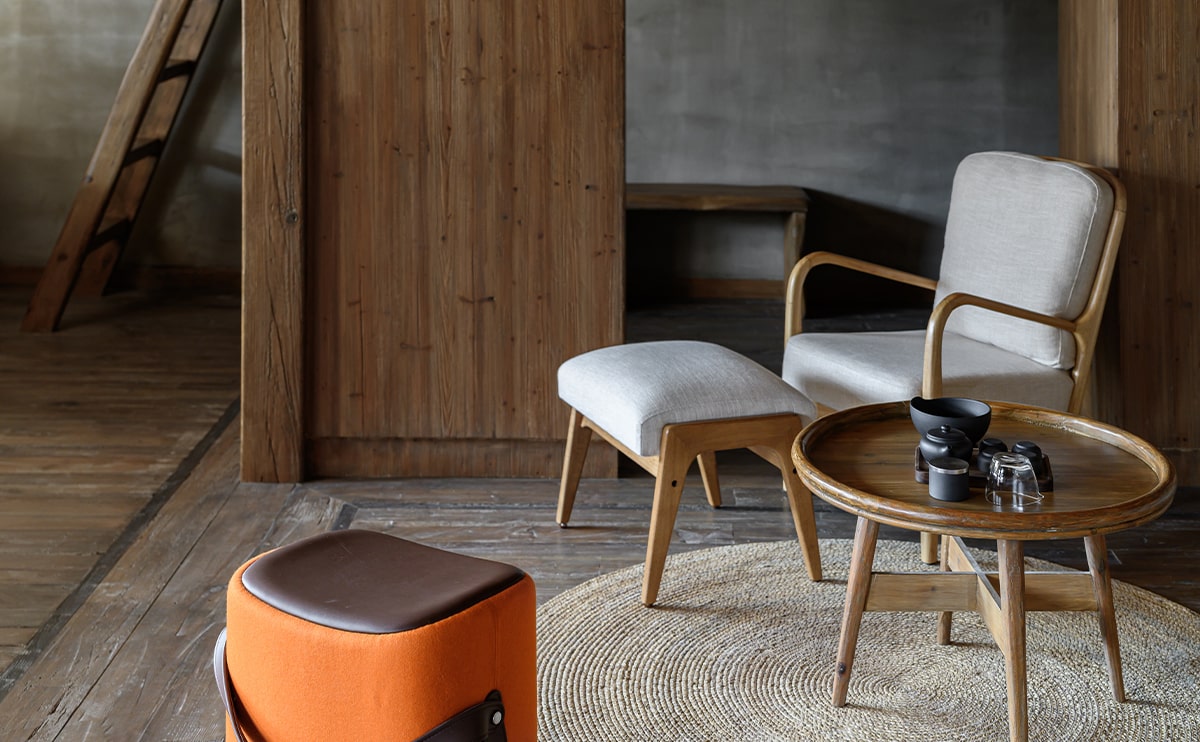
Exceptional design ideas and https://thespinkings.uk elevate sophisticated living spaces today

- Exceptional design ideas and https://thespinkings.uk elevate sophisticated living spaces today
- The Art of Layered Textures and Materials
- The Importance of Natural Fibers
- The Power of a Well-Curated Color Palette
- Understanding Color Psychology
- The Importance of Lighting Design
- Choosing the Right Fixtures
- The Role of Art and Accessories
- Beyond Aesthetics: Creating Functional and Harmonious Spaces
Exceptional design ideas and https://thespinkings.uk elevate sophisticated living spaces today
Modern living spaces are constantly evolving, reflecting not just our needs for comfort and functionality, but also our aspirations for style and sophistication. The desire for homes that are both aesthetically pleasing and genuinely reflective of personal taste has driven innovation in interior design. Finding the right pieces, textures, and layouts can be a daunting task, however, which is where curated collections and expert guidance become invaluable. One such source for inspiration and quality furnishings is https://thespinkings.uk, a destination dedicated to elevating the everyday through exceptional design.
The key to truly sophisticated living lies in the details – the thoughtfully chosen artwork, the comfortable yet elegant furniture, and the harmonious blend of colors and materials. It's about creating an environment that feels both inviting and refined, a sanctuary from the stresses of modern life. A well-designed space can positively impact mood, productivity, and overall well-being. This pursuit of beautiful and functional interiors is a growing trend, fueled by a desire for spaces that are not merely lived in, but truly experienced.
The Art of Layered Textures and Materials
Creating a truly immersive and luxurious feel within a home relies heavily on the skillful layering of textures and materials. Moving beyond simple color palettes, a sophisticated design scheme incorporates a variety of tactile experiences. Think about the contrast between the smooth coolness of marble, the inviting warmth of wood, and the plush comfort of velvet. These materials are not just chosen for their aesthetic appeal, but also for how they interact with light and shadow, adding depth and dimension to a space. For example, a living room might benefit from a combination of a leather sofa, a woven rug, and silk curtains, each contributing a unique textural element. The interplay of these elements elevates the overall aesthetic, creating a space that feels richly detailed and inviting. Integrating metallic accents, such as brass or gold, can further enhance the sense of luxury and sophistication. These elements catch the light and provide subtle highlights, drawing the eye and adding visual interest.
The Importance of Natural Fibers
Incorporating natural fibers into interior design is a powerful way to bring warmth, texture, and a sense of organic beauty into a home. Materials like linen, cotton, wool, and jute not only look beautiful but also offer a range of practical benefits. Linen curtains filter light beautifully and add a relaxed, airy feel, while wool rugs provide warmth and comfort underfoot. Jute baskets and rugs provide a rustic, earthy touch that grounds a space. Furthermore, natural fibers are often more sustainable and environmentally friendly than synthetic alternatives. Choosing these materials demonstrates a commitment to both style and conscious living. They also tend to age gracefully, developing a patina over time that adds character and charm to a space. Consider pairing natural fiber textiles with wooden furniture and earthy color palettes to create a harmonious and inviting atmosphere.
| Material | Texture | Application |
|---|---|---|
| Velvet | Plush, Soft | Upholstery, Curtains |
| Linen | Smooth, Airy | Curtains, Bedding |
| Wool | Warm, Textured | Rugs, Blankets |
| Marble | Cool, Smooth | Countertops, Flooring |
The careful selection and combination of materials is a cornerstone of sophisticated interior design. By understanding how different textures and materials interact, one can create a space that is not only visually appealing but also deeply comforting and inviting. Remember that consistency in material quality is key to achieving a high-end look.
The Power of a Well-Curated Color Palette
Color is arguably the most impactful element in interior design. It has the power to evoke emotions, create atmosphere, and fundamentally transform a space. Moving beyond fleeting trends, a sophisticated approach to color focuses on building a cohesive and harmonious palette that reflects personal style and complements the architecture of the home. Neutral palettes, such as shades of gray, beige, and white, provide a versatile foundation that can be accented with pops of color in artwork, accessories, and furniture. Layering different tones within a neutral palette adds depth and prevents the space from feeling flat or sterile. A monochromatic scheme, utilizing varying shades of a single color, can create a sense of calm and continuity. However it is important to incorporate texture and pattern to avoid monotony. Bold color choices, when used judiciously, can make a dramatic statement and inject personality into a room.
Understanding Color Psychology
The psychological effects of color are well-documented, and understanding these effects can be incredibly valuable when designing an interior space. Cool colors, such as blues and greens, are often associated with tranquility, peace, and relaxation, making them ideal for bedrooms and bathrooms. Warm colors, such as reds and oranges, evoke feelings of energy, excitement, and warmth, and are best used in social areas like living rooms and dining rooms. Yellow is associated with happiness and optimism, while purple often represents creativity and luxury. Neutral colors, like gray and beige, provide a grounding effect and can be used to balance out bolder hues. Consider the intended mood and function of a room when selecting a color palette. For instance, a home office might benefit from a calming blue or green, while a dining room might thrive with a more vibrant and inviting color scheme. The goal is to create a space that not only looks beautiful but also supports the activities that take place within it.
- Blue: Tranquility, peace, serenity
- Green: Nature, growth, harmony
- Red: Energy, passion, excitement
- Yellow: Happiness, optimism, cheerfulness
- Gray: Sophistication, neutrality, balance
Exploring the nuances of color and its impact on mood and perception allows for the creation of truly personalized and impactful interior spaces. Don't be afraid to experiment with different combinations and find what resonates with your own aesthetic sensibilities. You can find more details and inspiration at https://thespinkings.uk.
The Importance of Lighting Design
Lighting is often overlooked, but it is a crucial element in creating a sophisticated and inviting interior. It's not just about illumination; it’s about creating ambiance, highlighting architectural features, and enhancing the overall aesthetic of a space. A well-designed lighting scheme incorporates multiple layers of light: ambient lighting, task lighting, and accent lighting. Ambient lighting provides overall illumination, task lighting focuses on specific areas for activities like reading or cooking, and accent lighting highlights artwork or architectural details. Dimmer switches are essential for controlling the intensity of light and creating different moods. Natural light should be maximized whenever possible, as it is the most flattering and invigorating form of illumination. Consider the color temperature of your light bulbs; warm tones create a cozy and inviting atmosphere, while cool tones provide a more modern and energizing feel. Strategic placement of light fixtures can dramatically alter the perception of space, making rooms appear larger, brighter, and more inviting.
Choosing the Right Fixtures
The selection of light fixtures is just as important as the lighting scheme itself. Fixtures should not only provide adequate illumination but also complement the overall style of the interior. Chandeliers can add a touch of elegance and drama to a dining room or entryway, while recessed lighting provides a clean and modern look. Table lamps and floor lamps offer warm and inviting pools of light, perfect for creating cozy reading nooks. Pendant lights can be used to highlight a kitchen island or dining table. Consider the scale of the fixtures in relation to the size of the room. Oversized fixtures can overwhelm a small space, while undersized fixtures may not provide enough light. Pay attention to the materials and finishes of the fixtures as well, ensuring they coordinate with the existing décor. For example, brass fixtures pair well with warm-toned interiors, while chrome fixtures complement cooler palettes.
- Ambient Lighting: Provides overall illumination
- Task Lighting: Focuses on specific areas
- Accent Lighting: Highlights features
- Natural Light: Maximizes daylight
- Dimmer Switches: Controls light intensity
Thoughtful lighting design is an investment that pays dividends in both the aesthetic appeal and functionality of a home. Take the time to plan your lighting scheme carefully, considering all of the different layers and options available.
The Role of Art and Accessories
Art and accessories are the finishing touches that truly personalize a space and reflect the homeowner's individual style. They add character, interest, and a sense of warmth to a room. The selection of artwork should be considered carefully, taking into account the size, color palette, and subject matter. A statement piece can serve as a focal point, while smaller pieces can be grouped together to create a gallery wall. Paying attention to the framing of artwork is also important; a well-chosen frame can enhance the artwork and tie it in with the overall décor. Accessories, such as throw pillows, blankets, vases, and sculptures, add texture, color, and visual interest. Avoid cluttering surfaces with too many accessories; a curated selection of well-chosen pieces is more effective than a haphazard collection. Personal touches, such as family photos and travel souvenirs, add a sense of history and personality to a home.
The arrangement of furniture and accessories should be intentional and balanced. Consider the flow of traffic through the room and ensure there is enough space to move around comfortably. Create focal points to draw the eye and add visual interest. Don't be afraid to experiment with different arrangements until you find what works best for your space. Investing in high-quality art and accessories is a worthwhile investment that will enhance the beauty and sophistication of your home for years to come. Consistent texture, color and theme are important for a unified appearance.
Beyond Aesthetics: Creating Functional and Harmonious Spaces
While aesthetics are vital, true sophisticated living encompasses more than just a visually pleasing environment. It's about designing spaces that are functionally efficient, comfortable, and supportive of the activities that take place within them. Consider the flow of movement throughout the home and ensure that each room serves its intended purpose effectively. Storage solutions should be integrated seamlessly into the design, keeping clutter at bay and maximizing space. Ergonomics are also important; furniture should be comfortable and supportive, promoting good posture and well-being. Furthermore, the integration of technology should be thoughtful and unobtrusive, enhancing convenience without detracting from the aesthetic appeal. A truly sophisticated home is one that seamlessly blends form and function.
Creating a harmonious atmosphere also requires attention to detail. Consider the acoustics of a room, adding soft furnishings to absorb sound and reduce echo. Introduce plants to purify the air and bring a touch of nature indoors. Pay attention to the scent of your home, using candles, diffusers, or fresh flowers to create a welcoming and inviting ambiance. Ultimately, the goal is to create a space that nurtures the mind, body, and soul. Exploring lifestyle options that include expertly curated collections, like those found at https://thespinkings.uk, can inspire these harmonious spaces.