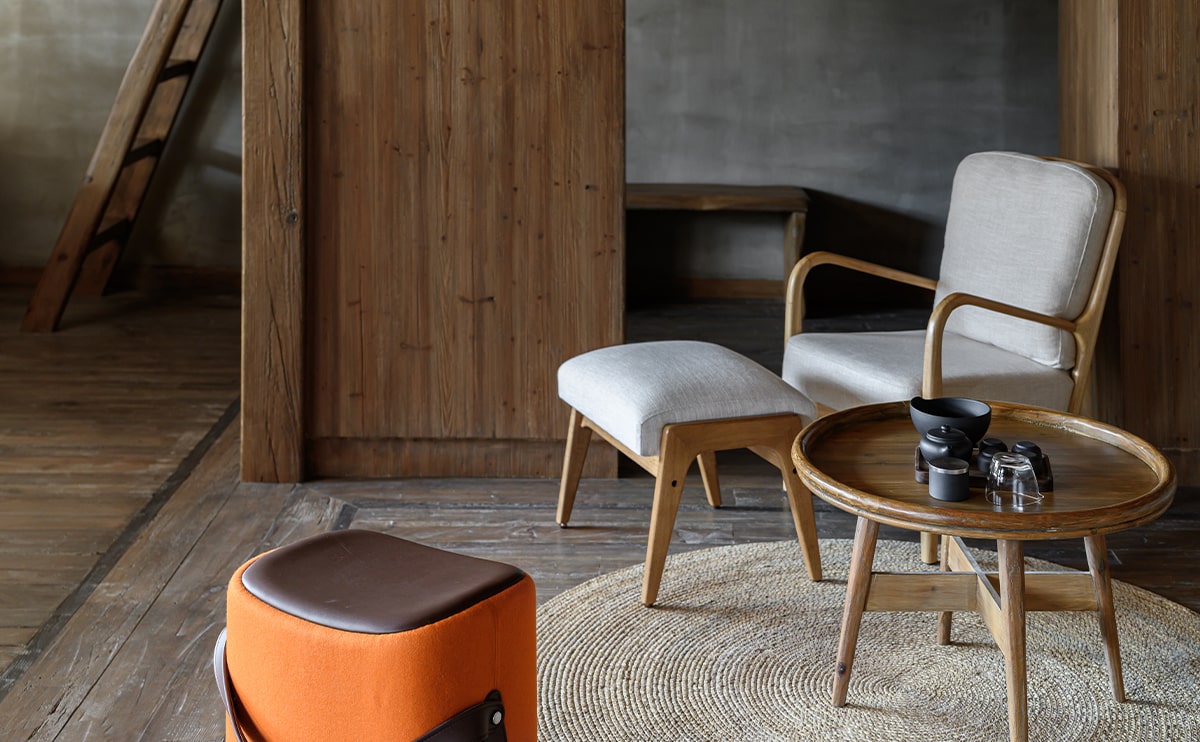
Wonderful_textiles_from_lola-jacks_uk_bring_vibrant_colour_and_texture_to_any_in

- Wonderful textiles from lola-jacks.uk bring vibrant colour and texture to any interior space
- The Impact of Colour in Textile Choices
- Understanding Colour Schemes and Patterns
- The Role of Texture in Creating Depth
- Choosing Fabrics for Durability and Function
- Understanding Fabric Composition and Care
- Exploring Different Fabric Types and Their Applications
- Integrating Textiles with Your Existing Decor – A Modern Approach
Wonderful textiles from lola-jacks.uk bring vibrant colour and texture to any interior space
The world of home décor is constantly evolving, with new trends and styles emerging seemingly every day. However, one element remains consistently important: the power of textiles to transform a space. From the comfort of a plush rug to the vibrancy of patterned curtains, fabrics play a crucial role in creating atmosphere and personality within our homes. Finding the right textiles can elevate a room from feeling sterile and impersonal to warm, inviting, and reflective of your individual taste. Today, we’ll explore how carefully chosen fabrics, readily available through retailers like lola-jacks.uk, can bring colour and texture to any interior space, enhancing both its aesthetic appeal and overall comfort.
More than just functional elements, textiles are artistic statements. They possess the ability to dramatically alter the perceived size, shape, and light within a room. Light-coloured fabrics can make a space feel larger and brighter, while darker tones can create a sense of intimacy and cosiness. Patterns add visual interest and can draw the eye, while textures provide tactile appeal and depth. Selecting the right fabrics isn’t simply about choosing a colour or pattern; it’s about understanding how these elements interact to create a cohesive and harmonious environment. The curated collection at lola-jacks.uk offers a diverse range of options to cater to various design preferences and needs, enabling customers to realize their interior vision.
The Impact of Colour in Textile Choices
Colour is arguably the most potent tool in a designer's arsenal, and its application in textiles is no exception. The psychology of colour plays a significant role in how we perceive and react to different hues. For instance, blues and greens are often associated with calmness and serenity, making them ideal for bedrooms or spaces designed for relaxation. Reds and oranges, on the other hand, are energizing and stimulating, best suited for areas where activity and social interaction are encouraged, like living rooms or dining areas. When selecting textiles, consider the existing colour palette of your room and how new fabrics can complement or contrast with it. A carefully chosen accent pillow, for example, can introduce a pop of colour that breathes new life into a neutral space.
Understanding Colour Schemes and Patterns
Beyond individual colours, consider the interplay of different colour schemes. Monochromatic schemes, using varying shades of a single colour, create a sophisticated and harmonious look. Complementary schemes, using colours opposite each other on the colour wheel (like blue and orange), offer a vibrant and dynamic contrast. Analogous schemes, utilizing colours that are adjacent to each other on the colour wheel (like blue, blue-green, and green), provide a soothing and balanced aesthetic. Patterns, too, contribute to the overall effect. Bold geometric patterns can add a modern edge, while floral or paisley patterns evoke a more traditional feel. It’s crucial to balance pattern with solid colours to prevent a space from feeling overly busy. Remember to think about the scale of the pattern in relation to the size of the room; larger patterns work best in larger spaces, while smaller patterns are more suitable for smaller areas.
| Colour Scheme | Description |
|---|---|
| Monochromatic | Using different shades of the same colour. |
| Complementary | Using colours opposite each other on the colour wheel. |
| Analogous | Using colours adjacent to each other on the colour wheel. |
| Triadic | Using three colours equally spaced on the colour wheel. |
The versatility of fabrics allows for endless experimentation with colour and pattern. Whether you're aiming for a bold statement or a subtle accent, the key is to understand how different colours and patterns interact and to select fabrics that enhance the overall aesthetic of your space. Don't be afraid to try samples and see how they look in your room under different lighting conditions before making a final decision.
The Role of Texture in Creating Depth
While colour often takes centre stage, texture is equally important in creating a layered and inviting interior. Texture refers to the surface quality of a fabric – how it feels to the touch and how it reflects light. Different textures can evoke different sensations and contribute to the overall mood of a room. For instance, smooth silk or satin can create a luxurious and sophisticated feel, while rough linen or burlap adds a more natural and rustic touch. Combining different textures is key to creating depth and visual interest. Pairing a smooth velvet sofa with a textured wool rug, or a silk throw pillow with a linen armchair, can add dimension and prevent a space from feeling flat. Consider the function of the textile when choosing textures; durable, easy-to-clean textures are ideal for high-traffic areas, while softer, more delicate textures can be reserved for decorative accents.
- Natural Fibers: Linen, cotton, wool, and silk offer organic textures and breathability.
- Synthetic Fibers: Polyester, acrylic, and nylon provide durability and affordability, often with a smooth finish.
- Woven Textures: From tight weaves to loose knits, woven fabrics offer a range of tactile experiences.
- Embossed or Textured Fabrics: Jacquards, chenilles, and other textured fabrics add visual depth and interest.
Don't underestimate the power of layering textures. Combining different fabrics with varying textures can create a rich and inviting atmosphere. A simple sofa can be transformed with the addition of textured throw pillows and a cosy blanket. Similarly, a plain bedroom can be elevated with a textured bedspread, a woven rug, and soft curtains. Exploring different textile options, as you’ll find at lola-jacks.uk, allows you to curate a space that is both visually appealing and comfortable to the touch.
Choosing Fabrics for Durability and Function
Beyond aesthetics, it’s essential to consider the practical aspects of fabric selection. Different fabrics have different levels of durability, cleanability, and suitability for specific applications. For example, high-traffic areas like hallways and living rooms require fabrics that can withstand wear and tear. Durable options include wool, linen, and tightly woven cotton. For upholstery, consider fabrics with a high rub count, indicating their resistance to abrasion. Fabrics used for curtains and drapes should be chosen based on their ability to block light and provide privacy. Darkout fabrics are ideal for bedrooms, while lighter-weight fabrics are suitable for living areas. Similarly, fabrics used for outdoor furniture should be water-resistant and fade-resistant.
Understanding Fabric Composition and Care
Before purchasing any fabric, it’s crucial to understand its composition and care requirements. Natural fibers like cotton and linen are generally more breathable and comfortable, but they may be more prone to wrinkling and staining. Synthetic fibers like polyester are more durable and easier to clean, but they may not be as breathable. Always check the care label for specific instructions on washing, drying, and ironing. Some fabrics may require professional cleaning, while others can be easily washed at home. Proper care will extend the life of your fabrics and keep them looking their best. Investing in quality fabrics that are appropriate for their intended use will save you money in the long run by reducing the need for frequent replacements. Resources like those offered through lola-jacks.uk often provide detailed information about fabric composition and care.
- Assess the Traffic: High-traffic areas need durable fabrics.
- Consider the Use: Upholstery, curtains, or outdoor furniture require specific properties.
- Read the Care Label: Understand washing, drying, and ironing instructions.
- Choose Appropriate Weight: Lighter fabrics for draping, heavier for upholstery.
Selecting fabrics isn’t simply about choosing a colour or pattern; it’s about making informed decisions based on your lifestyle and the specific needs of your space. By considering durability, function, and care requirements, you can ensure that your fabrics will not only look beautiful but also stand the test of time.
Exploring Different Fabric Types and Their Applications
The world of textiles is incredibly diverse, with a vast array of fabric types each possessing unique characteristics. Cotton, a natural fibre, is renowned for its softness, breathability, and affordability, making it a popular choice for bedding, clothing, and everyday upholstery. Linen, another natural fibre, is known for its strength, durability, and luxurious feel, often used in curtains, tablecloths, and high-end bedding. Wool, a protein fibre, is prized for its warmth, resilience, and natural flame resistance, making it ideal for carpets, rugs, and winter clothing. Silk, a luxurious natural fibre, is celebrated for its smooth texture, lustrous sheen, and elegant drape, commonly used in evening wear, scarves, and high-end upholstery.
Synthetic fabrics, like polyester, acrylic, and nylon, offer a range of benefits including durability, affordability, and resistance to wrinkles and stains. Polyester is a versatile fibre often used in upholstery, curtains, and clothing. Acrylic mimics the look and feel of wool but is more affordable and easier to care for. Nylon is known for its strength and elasticity, making it a popular choice for carpets, sportswear, and hosiery. When considering your textile needs, it's useful to explore blends, combining the best qualities of different fibres to achieve optimal performance and aesthetic appeal. The wide selection available at lola-jacks.uk enables you to discover the perfect fabric for any project.
Integrating Textiles with Your Existing Decor – A Modern Approach
Successfully integrating new textiles into an existing décor scheme requires a thoughtful approach. Rather than completely overhauling your space, consider how you can use textiles to enhance and complement your current style. If your existing furniture is neutral, introducing colourful or patterned textiles like throw pillows, blankets, and rugs can instantly add personality and vibrancy. If your space is already rich in colour and pattern, opt for more subtle textures and tones to create balance. Consider the overall style of your home – whether it’s modern, traditional, minimalist, or eclectic – and choose textiles that reflect that aesthetic. A modern space might benefit from geometric patterns and bold colours, while a traditional space might call for floral prints and muted tones. Don't be afraid to mix and match textures and patterns, but always ensure that there is a cohesive element tying everything together – perhaps a common colour or a recurring motif.
One effective technique is to use textiles to create focal points within a room. A statement rug can anchor a seating area, while a colourful curtain can draw the eye to a window. Similarly, layering different textures can add depth and visual interest to a wall. Remember that textiles are not just functional elements; they are also opportunities to express your personal style and create a space that is truly your own. By carefully selecting and integrating textiles, you can transform your home into a sanctuary of comfort, beauty, and individuality. The inspiration and variety found at locations such as lola-jacks.uk can unlock endless possibilities for stylish home enhancement.